FIA Threatens F1 Teams with Harsh Penalties for Manipulating Race Starts
FIA introduces a new safety protocol for F1 race starts that automatically activates the MGU-K if a car stops, warning teams of strict penalties for attempts to exploit it for advantage.
FIA is introducing a new safety protocol for Formula 1 race starts but has already warned teams about serious consequences if they attempt to gain a sporting advantage from it.
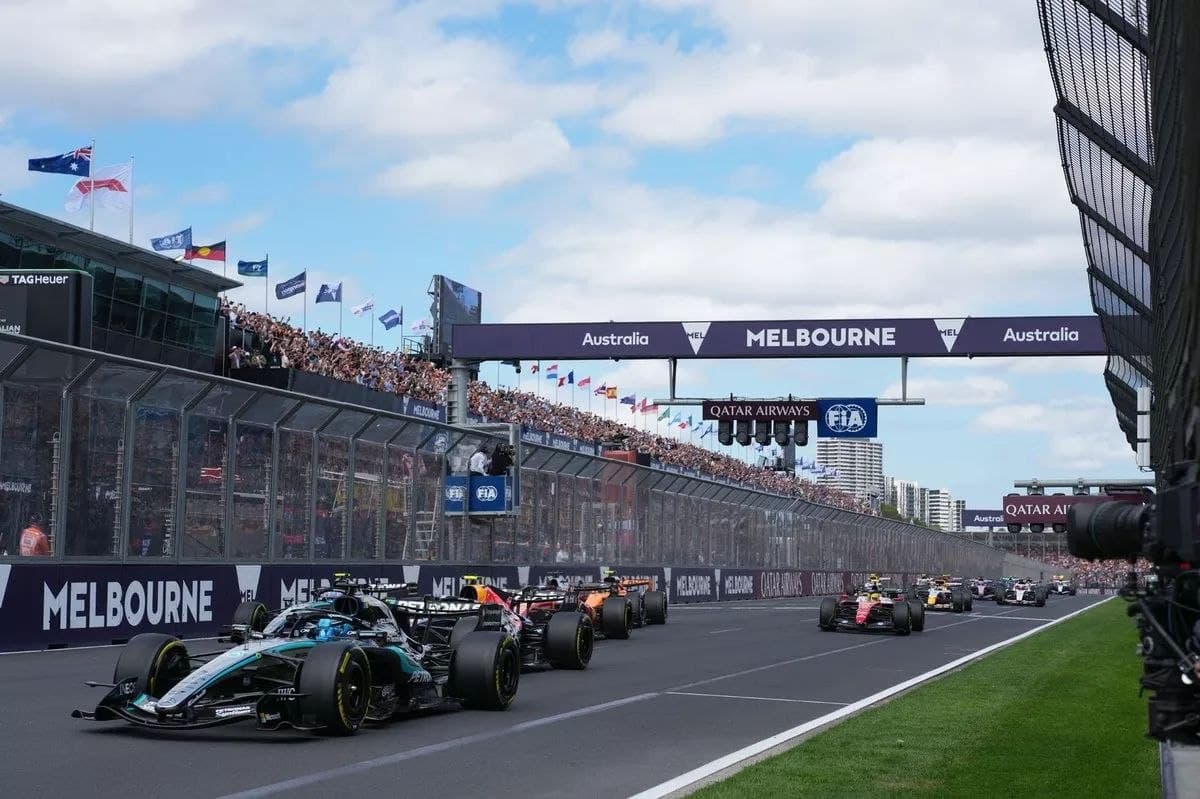
Due to frequent issues with standing starts this season, FIA decided to implement a new assistance system. If the onboard computers detect that a car has practically stopped on the starting grid, an emergency protocol is automatically activated. This allows the MGU-K system to use battery energy to help the car move off and gain speed.
It is important to note that currently the use of the MGU-K is strictly prohibited until the car reaches 50 km/h. However, there are concerns that teams might try to turn this safety system into a legal launch control. A perfectly timed activation of the MGU-K could provide a noticeable advantage during acceleration, potentially encouraging drivers to deliberately simulate a delay.
Initially, FIA planned to require any driver whose system was triggered to serve a mandatory penalty by driving through the pit lane at the end of the first lap. Teams convinced the management to abandon automatic penalties. Their argument was simple: if the system activated, the situation was already out of control and the driver had irreversibly lost positions.
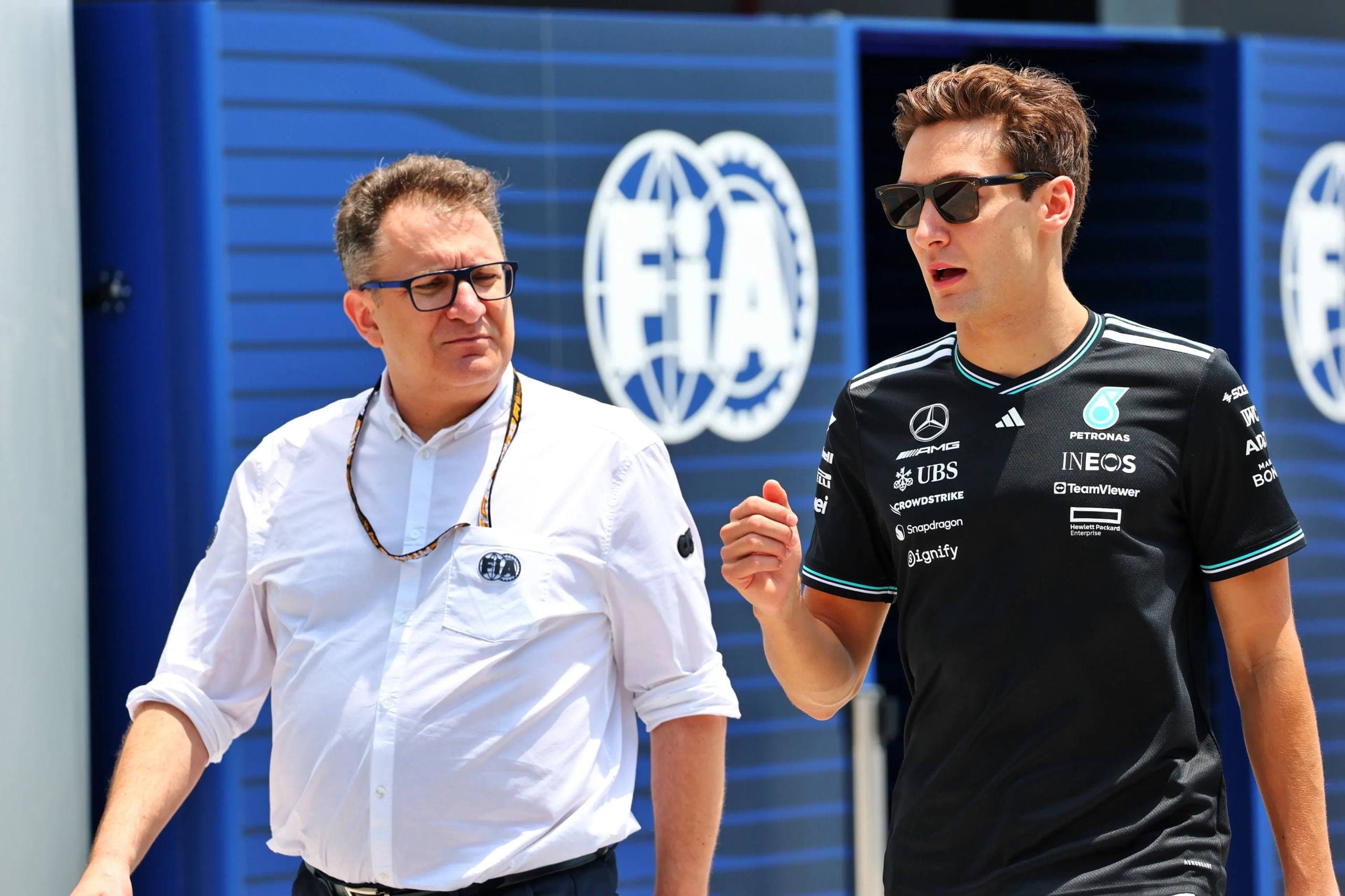
FIA agreed but promised to closely monitor telemetry data. FIA’s single-seater series director, Nicholas Tombazis, emphasized, "This system is designed to turn a catastrophic start into just a bad one. It will not turn a bad start into a good one."
If the Federation detects that the system is being used to gain an advantage, sanctions will be immediate.
Testing of the new procedure will take place this weekend after the sole practice session at the Miami Grand Prix. During the sprint and the main Sunday race, the system will not yet be active.
According to FIA calculations, if the rule had been in effect since the start of the season, the system would have activated only 2-3 times, for example during Liam Lawson’s start in Australia.
Related
Related stories
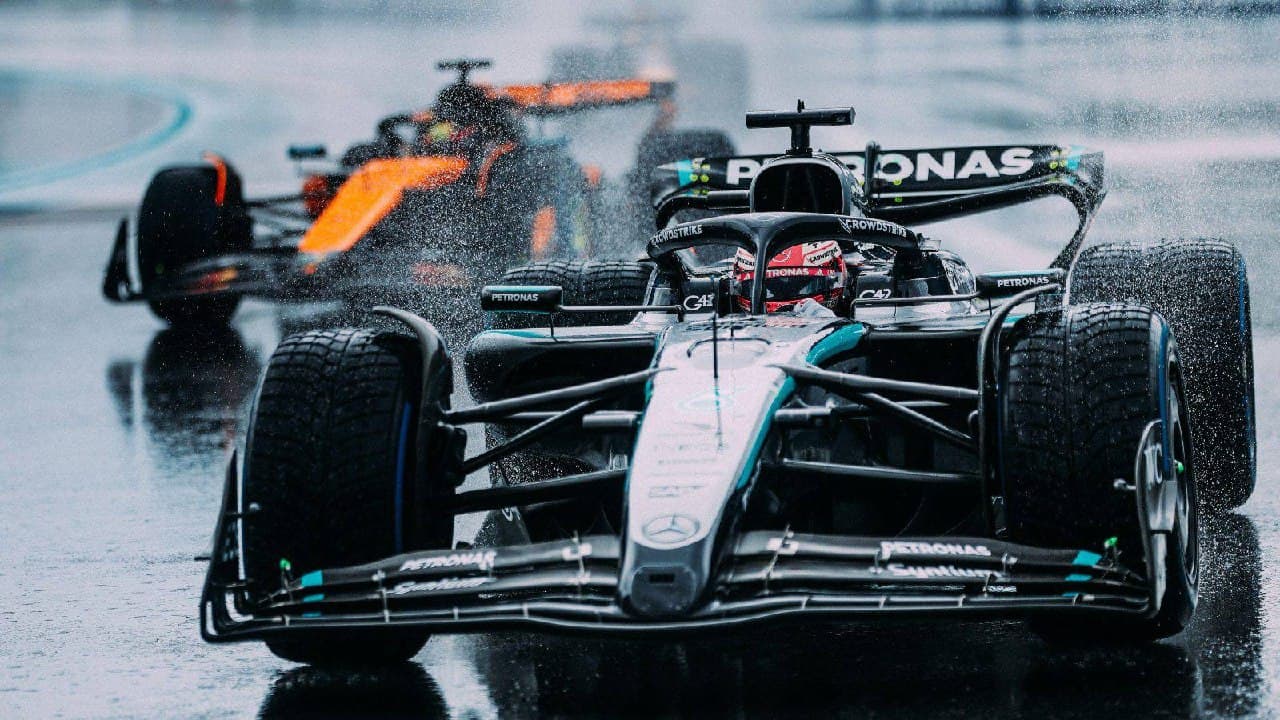
Formula 1 drivers voice concerns about the rainy Miami race, focusing on the electric power unit output, tire heating challenges, and track drainage. FIA confirms it has a contingency plan for heavy rain.