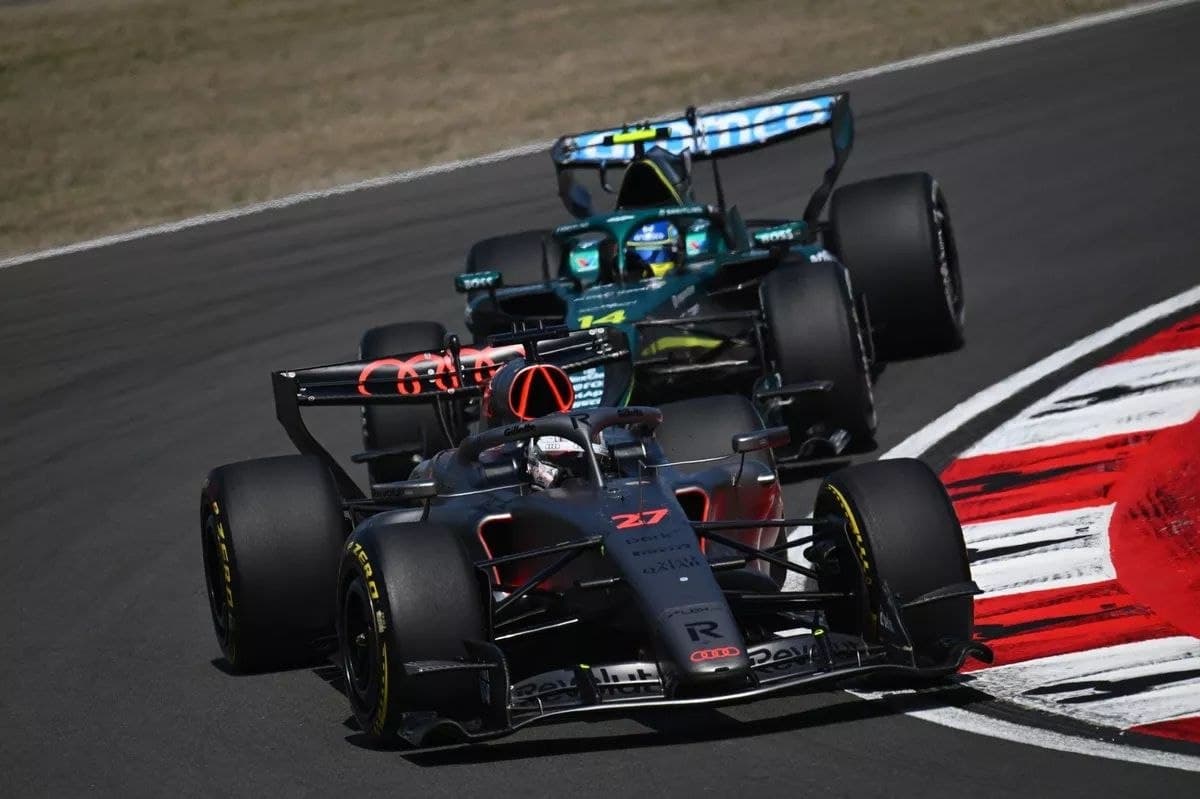
FIA Regulation Changes Effective from Miami Grand Prix to Enhance Safety and Racing
FIA has updated Formula 1 rules to improve safety and excitement: qualifying adjustments, turbo boost limits, a new race start system, and enhanced wet weather controls will take effect from the Miami Grand Prix.
Here are the FIA regulation changes that will take effect from the Miami Grand Prix.
Formula 1 management has decided to promptly revise the rules to make races safer and more exciting. The changes affect several key aspects of the race weekend. Here is the main breakdown:
⏱ Qualifying
Combating "super clipping" (sudden power loss on straights):
• Energy recovery has been reduced from 8MJ to 7MJ.
• Peak power has been increased from 250kW to 350kW.
Now drivers will need to harvest less energy mid-lap, allowing them to push harder and keep the throttle fully open more often!
Race
Turbo boost control and reducing dangerous close approaches:
• Boost is limited to +150kW.
• In acceleration zones, power will be 350kW; for the rest of the lap, it will be 250kW.
The goal of this decision is to reduce the risk of sudden rear-end approaches and make overtaking safer, avoiding severe incidents like the one involving Oliver Bearman.
Race Start (new system)
A new electronic safety system will be tested in Miami at race starts:
• If a car clearly stalls or suffers a technical failure at the start, the system automatically adds power.
• This does not give any advantage to the driver but equalizes minimum acceleration to prevent collisions from cars starting behind. Warning lights activate simultaneously.
Wet Conditions
Improved control and visibility:
• The temperature limit for intermediate tires has been raised.
• ERS power has been reduced to improve grip and car control on wet tracks.
• The operation of rear lights has been simplified to make them more visible through dense spray.
Related
Related stories
FIA President Mohammed Ben Sulayem summarized a key meeting on 2026 F1 regulation changes, highlighting constructive collaboration and drivers' central role in the process.